How Fotona Laser Treatments Support Collagen Production
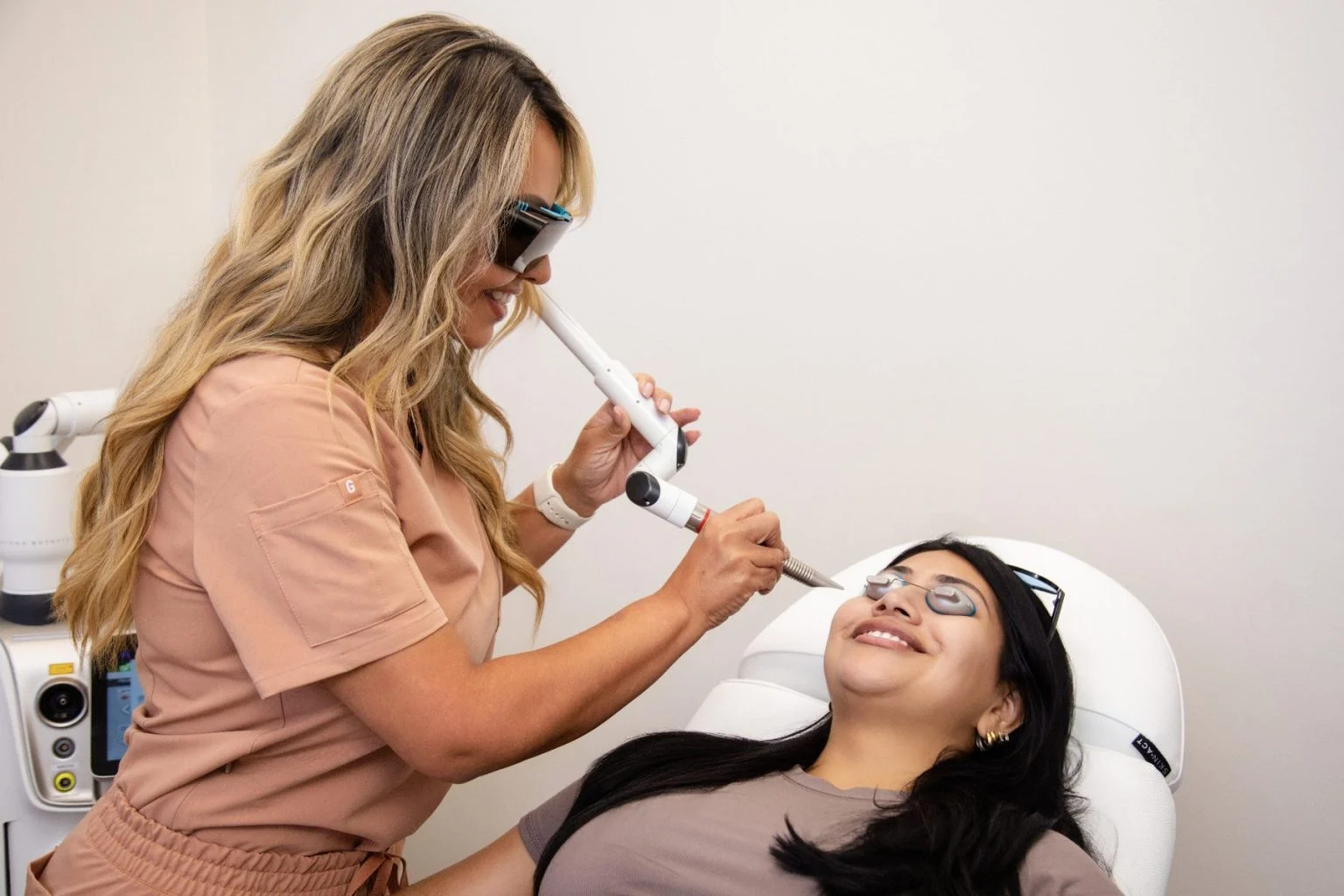
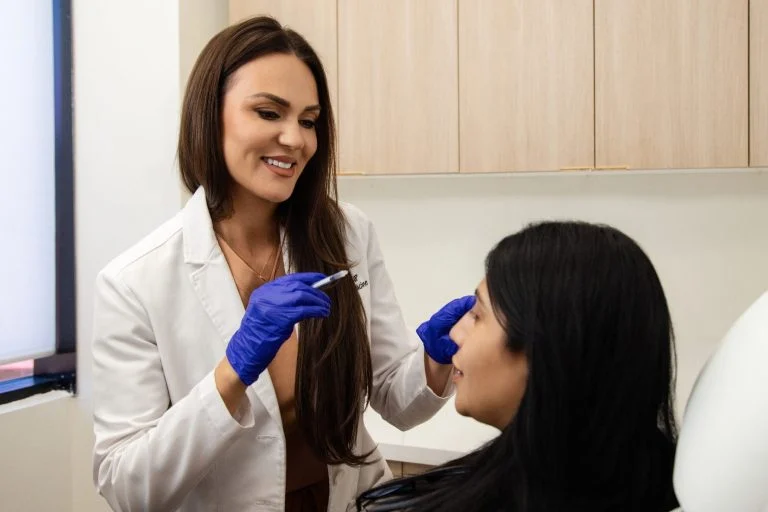
Collagen sits at the center of almost every conversation about skin quality, but it is often discussed in broad, vague terms. Patients hear that a treatment “boosts collagen” and understandably ask what that actually means for their skin. Will it help with crepey texture under the eyes, acne scars on the cheeks, or the early softening of the jawline? Will the change be immediate, or is it something that develops quietly over months?
Those questions matter because collagen is not a cosmetic buzzword. It is a structural protein that gives skin tensile strength, resilience, and a smoother surface. When collagen production slows with age, sun exposure, inflammation, and hormonal shifts, skin starts to behave differently. It thins, sags more easily, recovers more slowly, and reflects light less evenly. Fine lines become etched because the supporting matrix under the skin is no longer as dense or springy as it once was.
Fotona Laser Treatments have earned attention precisely because they address this https://caidenssgh278.lucialpiazzale.com/fotona-laser-treatments-for-hyperpigmentation-a-practical-guide support system rather than only the surface. In the right hands, they can heat tissue with enough precision to trigger repair and remodeling while preserving surrounding structures. That is the balance that makes collagen stimulation possible. Too little energy and the skin barely responds. Too much and downtime rises without improving the outcome.
Understanding how Fotona works requires looking past marketing language and focusing on the biology, the treatment design, and the practical reality of what patients typically experience.
What collagen production really means in skin treatments
Collagen production is better described as collagen remodeling. Skin is not a static material. It is constantly breaking down and rebuilding elements of its extracellular matrix, including collagen and elastin. In younger skin, that cycle runs efficiently. Fibroblasts, the cells largely responsible for producing collagen, respond quickly to injury and maintain a stronger scaffold in the dermis.
Over time, that repair machinery slows. Fibroblasts become less active. Existing collagen fibers become more fragmented and disorganized. Repeated UV exposure adds oxidative stress, which further weakens the matrix. The visible result is not just wrinkling. It is also laxity, enlarged pores, rough texture, and the gradual flattening of skin that once looked full and firm.
Laser treatments support collagen production by creating a controlled thermal effect in the skin. That heat acts as a signal. It tells the body that a repair response is needed. In response, fibroblasts become more active, growth factors are released, and new collagen can be laid down over time. Some treatments also create micro-injury, which amplifies the wound-healing cascade. The body then replaces damaged tissue with fresher, better-organized tissue.
This is why collagen-based improvements are usually gradual. A patient may notice some early tightening from tissue contraction, especially after heat-based treatments, but the more meaningful changes often unfold over several weeks and continue for a few months. It takes time for new collagen to form and mature.
Why Fotona stands out in collagen-focused skin rejuvenation
Fotona systems are known for their versatility. Rather than relying on one laser wavelength for every concern, they commonly combine erbium:YAG and Nd:YAG technologies. Each interacts with tissue in a different way, which gives practitioners more control over how deep they treat, how much heat they deliver, and how much downtime a patient should expect.
That flexibility matters because collagen sits in different layers and behaves differently depending on the issue being treated. A patient with shallow acne scarring and enlarged pores may benefit from more aggressive resurfacing near the skin surface. Another patient with mild skin laxity and early jowling may need deeper thermal stimulation with minimal disruption of the top layer. Treating both the same way rarely leads to the best result.
Fotona Laser Treatments are often used in customized protocols for this reason. A provider can target the epidermis, deeper dermal structures, or both in the same session. In practice, that means the treatment can be tuned toward resurfacing, tightening, scar remodeling, or a combination. It is one of the reasons these lasers show up so often in comprehensive facial rejuvenation plans.
The core mechanisms behind collagen stimulation
To understand how Fotona supports collagen production, it helps to separate the process into two major effects: thermal stimulation and tissue remodeling.
The first mechanism is heat. When laser energy is delivered into the skin in a controlled way, collagen fibers can contract, which creates some immediate tightening. More importantly, the heat stimulates fibroblasts and activates a wound-healing response. Over time, this leads to the production of new collagen and a more organized dermal matrix.
The second mechanism is remodeling through ablation or micro-injury, depending on the treatment mode. Certain Fotona settings can remove very precise amounts of surface tissue or create a fractional pattern of treatment zones. This encourages the body to replace damaged tissue while leaving enough surrounding skin intact to speed healing.
In daily practice, these mechanisms rarely exist in isolation. The most effective treatments usually blend them. Surface irregularities may need selective ablation, while laxity and deeper textural issues respond better to heat delivered below the surface. This is where protocol design matters far more than broad claims about the device itself.
How the two main wavelengths contribute
Erbium:YAG and surface-driven remodeling
The erbium:YAG wavelength is highly absorbed by water, which makes it particularly effective for precise ablation and superficial to mid-depth resurfacing. Since skin contains a great deal of water, the laser can remove damaged tissue with accuracy and relatively limited collateral thermal spread compared with some older resurfacing methods.
That precision has practical benefits. Providers can improve fine lines, acne scarring, uneven texture, and pigment irregularities while also stimulating collagen in the process of healing. The skin’s response to this controlled resurfacing often includes smoother texture, a tighter appearance, and a freshened surface quality that makeup sits better on.
Patients sometimes think of resurfacing as only a “peel with technology,” but that understates what is happening. When done properly, erbium-based treatments can create meaningful matrix remodeling. The improvement in pore appearance and scar softness is not just because the top layer is polished. It is because the skin underneath has been prompted to rebuild.
Nd:YAG and deeper thermal support
Nd:YAG works differently. It penetrates more deeply and is used for thermal effects within the dermis and deeper tissue structures. That makes it useful for non-ablative collagen stimulation and tissue tightening. Instead of removing surface skin, it heats deeper layers in a way that encourages fibroblast activity while leaving the upper surface more intact.
For patients who want firmer skin with less downtime, this matters. A non-ablative approach will not give the same dramatic resurfacing as an aggressive erbium treatment, but it can be very effective for mild to moderate laxity, early textural decline, and maintenance. It also fits better into the schedules of people who cannot manage a week or more of visible recovery.
In many real-world treatment plans, the strength of Fotona lies in combining these two approaches. One wavelength can address the surface, while the other supports deeper tightening and collagen stimulation. That layered strategy tends to produce more natural-looking improvements than chasing a single issue in isolation.
Common Fotona treatment concepts that rely on collagen remodeling
Different clinics may use different branded protocol names, and settings vary by device, practitioner, and skin concern. Still, several treatment concepts appear repeatedly because they map well to how collagen behaves in the skin.
Smooth-mode intraoral or mucosal tightening, often used around the mouth and lower face, relies on controlled heating that stimulates deeper tissue without open ablation. This can be helpful for fine perioral lines and early laxity in patients who are not ready for more invasive procedures.
Fractional resurfacing protocols use patterned micro-injury to trigger robust healing while preserving untreated areas for faster recovery. These are commonly used for acne scars, rough texture, and etched lines.
More intensive ablative resurfacing can be chosen for advanced sun damage or deeper textural change, especially in fairer skin types with realistic downtime expectations. It is usually not the first step for every patient, but in carefully selected cases it can produce substantial collagen remodeling.
There are also multi-step protocols that treat both externally and internally, or pair gentle peeling with deeper heating. These treatments tend to work best when the provider understands facial anatomy and has a clear rationale for each pass rather than simply stacking technologies because it sounds comprehensive.
What patients can realistically expect to see
Patients often notice different phases of improvement. Right after treatment, the skin may look tighter because of mild swelling and temporary tissue contraction. That early change can be encouraging, but it is not the full result.
The more meaningful collagen-related changes tend to appear later. Around four to six weeks, many patients start to notice that the skin feels denser, makeup catches less on fine texture, and the face looks more rested without a dramatic “done” appearance. By two to three months, the improvement in texture, pore visibility, and subtle laxity is usually easier to appreciate. In scar treatments, the timeline can be longer, especially when scars are deeper or older.
Results vary according to baseline skin quality, age, smoking history, cumulative sun exposure, and how aggressively the skin is treated. A 38-year-old with early collagen loss and limited sun damage may respond quickly. A 62-year-old with decades of photodamage, deeper folds, and significant volume loss may still improve, but the treatment will not replace lost fat, reposition descended tissue, or mimic surgery.
That distinction is worth emphasizing. Collagen stimulation improves skin quality and can modestly tighten tissue. It does not rebuild facial volume in the way filler can, and it does not lift the lower face the way a surgical procedure can. The best outcomes come from matching the treatment to the problem.
Where Fotona collagen stimulation tends to work best
In practice, Fotona Laser Treatments are often most rewarding for concerns tied directly to skin quality rather than severe structural aging. Fine lines around the eyes and mouth, early skin laxity, rough texture, enlarged pores, mild to moderate acne scarring, and crepey skin can all respond well when the protocol is chosen carefully.
The under-eye area deserves special mention because it is often one of the first places people notice thinning and wrinkling. Some laser approaches are too harsh for that zone, but carefully selected Fotona settings can stimulate remodeling with a more measured recovery. The same is true around the mouth, where repetitive movement and thinning skin create stubborn etched lines.
Acne scar patients can also benefit significantly, although expectations should be grounded. Rolling scars and superficial boxcar scars usually improve more readily than deep ice-pick scars. If scars are tethered, subcision or combination treatment may be needed. Laser can soften the texture and stimulate collagen, but it is not always the entire answer.
Candidacy and the importance of skin type
Not everyone is an ideal candidate for the same protocol. Skin tone, tendency toward post-inflammatory pigmentation, history of melasma, isotretinoin use, active infection, poor wound healing, and recent tanning all influence treatment choice.
Darker skin tones can absolutely be treated, but the approach often needs to be more conservative, with careful energy selection and stronger emphasis on pretreatment skin conditioning. Aggressive resurfacing that might be reasonable for a lighter skin type may carry a higher risk of pigment changes in a melanin-rich patient. Experienced practitioners know that “effective” and “aggressive” are not synonymous.
Patients with rosacea or very reactive skin may also need modified plans. Heat can be beneficial in some contexts but aggravating in others. This is one area where a good consultation matters more than enthusiasm for any particular device.
The treatment experience and recovery
Most sessions are tolerable, though comfort depends on intensity, treatment area, and whether the protocol is ablative or non-ablative. A gentler tightening session may feel warm and prickly, while resurfacing can feel more intense and usually requires topical anesthetic. For broader or deeper treatments, some clinics add local anesthesia or other comfort measures.
Recovery ranges widely. Non-ablative sessions may leave a patient pink for a day or two, with some dryness and mild swelling. Fractional resurfacing often creates several days of redness, bronzing, roughness, and a sandpapery feel as micro-crusting clears. More aggressive ablative work can involve a week or longer of visible healing.
Patients usually do best when they plan around the recovery rather than trying to squeeze treatment into an unsuitable window. The people happiest with their result are often the ones who understood ahead of time what day three or day five would look like.
A sensible aftercare routine usually includes:
- Gentle cleansing and a bland moisturizer during the early healing phase.
- Strict sun protection, including daily broad-spectrum sunscreen and shade whenever possible.
- Avoiding active skincare such as retinoids, strong acids, or scrubs until the skin barrier has recovered.
- Following the clinic’s instructions closely if antiviral prophylaxis or specific healing products are recommended.
Aftercare may sound mundane compared with laser technology, but it strongly influences outcomes. A beautifully performed treatment can be undermined by heat exposure, picking, early exercise in the wrong patient, or the sudden return of harsh skincare.
How many sessions are usually needed
A single session can produce visible improvement, especially when resurfacing is involved, but most collagen-oriented plans rely on a series. For non-ablative tightening, a course of three to five sessions spaced several weeks apart is common in many practices. Fractional resurfacing for scars or texture may be done in fewer sessions, though some patients need more depending on depth and goals.
Maintenance also matters. Collagen stimulation is not permanent because aging does not pause after treatment. Many patients benefit from periodic maintenance once or twice a year, sometimes combined with other modalities such as microneedling, neuromodulators, or biostimulatory injectables.
This is another area where honesty helps. If a patient wants a one-time treatment that permanently fixes years of collagen loss, expectations need recalibration. Laser is a powerful tool, but skin remains living tissue influenced by hormones, sunlight, inflammation, and time.
Where Fotona fits among other collagen-stimulating options
Fotona is not the only way to stimulate collagen, and it should not be presented as one. Microneedling, radiofrequency microneedling, other fractional lasers, ultrasound-based tightening, biostimulatory injectables, and chemical peels can all play a role depending on the problem.
What sets Fotona apart is its ability to cover a wide range of goals within one platform. That breadth can be useful for clinics building custom treatment plans and for patients who want both textural improvement and deeper remodeling. Still, broader capability does not automatically mean better outcome. The person selecting the settings and understanding the indication remains the deciding factor.
A patient with severe laxity may get more value from surgery. A patient with melasma-prone skin may need a very cautious, pigment-conscious plan. A patient with acne scars may benefit from combining subcision and laser rather than pursuing laser alone. The best laser providers think this way. They do not treat the machine as the hero of every story.
Signs of a well-planned treatment course
Patients often ask how they can tell whether a recommendation is thoughtful or overly generic. There are a few clues. A strong consultation usually connects the treatment directly to the biology of the concern. The provider explains whether they are targeting surface texture, deeper tightening, scar remodeling, or a combination, and why that approach fits the skin in front of them.
The discussion should also include limitations. If volume loss is a major part of the issue, that should be acknowledged. If pigment risk is elevated, that should shape the plan. If downtime will be meaningful, it should be stated plainly rather than softened.
When expectations are set well, collagen-stimulating laser treatments tend to feel rewarding rather than confusing. Patients understand that the process is gradual, that skin quality improvements are often more noticeable in photos taken a few months apart, and that the result is usually refinement rather than transformation.
The bigger picture of collagen health
Laser can do a great deal, but it works best in skin that is given a fair chance to recover well. That means consistent sun protection, smoking avoidance, adequate protein intake, and a skincare routine that supports barrier function rather than constantly irritating it. Chronic inflammation erodes collagen, whether it comes from UV damage, untreated rosacea, aggressive exfoliation, or habits like picking.
Seen in that context, Fotona Laser Treatments are not a shortcut. They are a stimulus, one that can restart a sluggish repair process and improve the architecture of the skin when used intelligently. For patients with the right indications, that can mean softer scars, finer pores, firmer texture, and a more resilient look that develops naturally rather than all at once.
That is ultimately why collagen-focused laser work remains relevant. It does not simply mask an issue. At its best, it nudges the skin into doing what younger skin does more easily on its own: repair, reorganize, and rebuild.
OMNIA Wellness Center
Address: 16430 Ventura Blvd Ste 207, Encino, CA 91436
Phone number: +18183868511
FAQ About Fotona Laser Treatments
What is a Fotona laser good for?
A Fotona Laser system is a versatile, dual-wavelength medical laser used primarily for non-surgical skin tightening, anti-aging rejuvenation, and dermatological treatments.
How much does the Fotona laser cost?
The cost of a Fotona laser depends heavily on whether you are looking to purchase a laser machine for a medical practice or are a patient seeking a laser treatment at a medspa.
Is a Fotona laser worth it?
A Fotona laser treatment is generally worth it if you want non-surgical skin tightening, improved texture, and collagen stimulation with very little downtime.