Are Fotona Laser Treatments Worth It? Pros and Cons
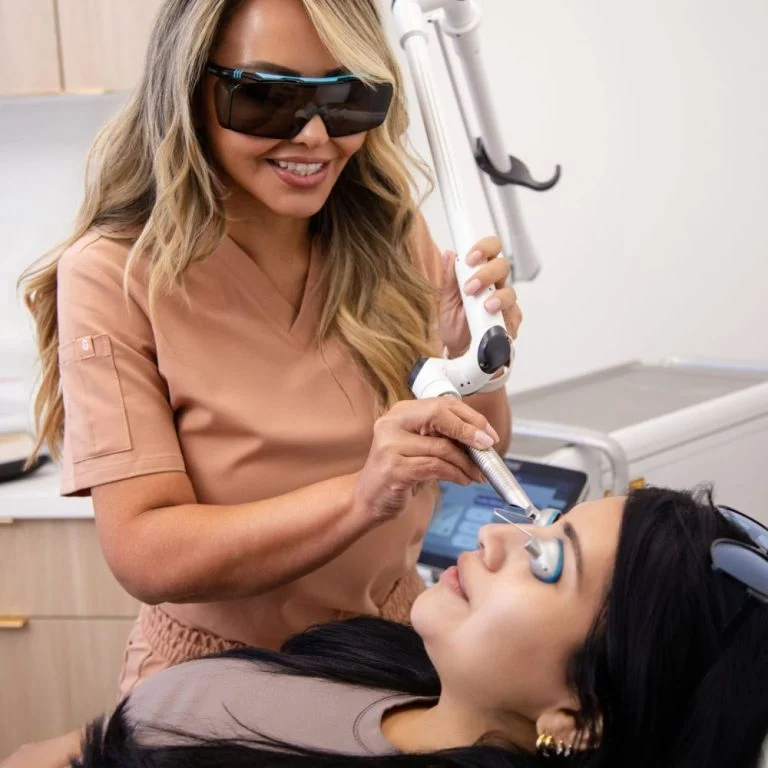
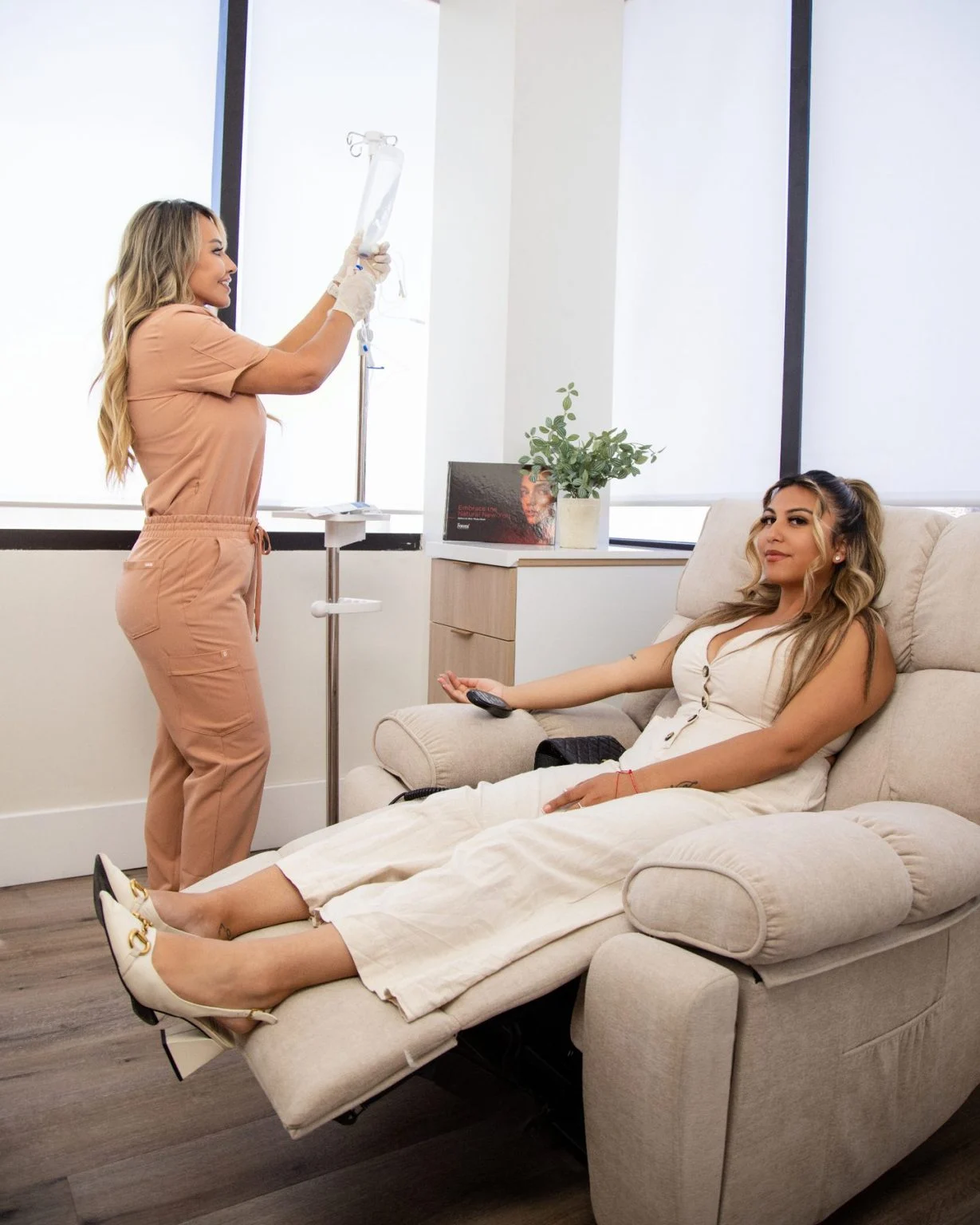
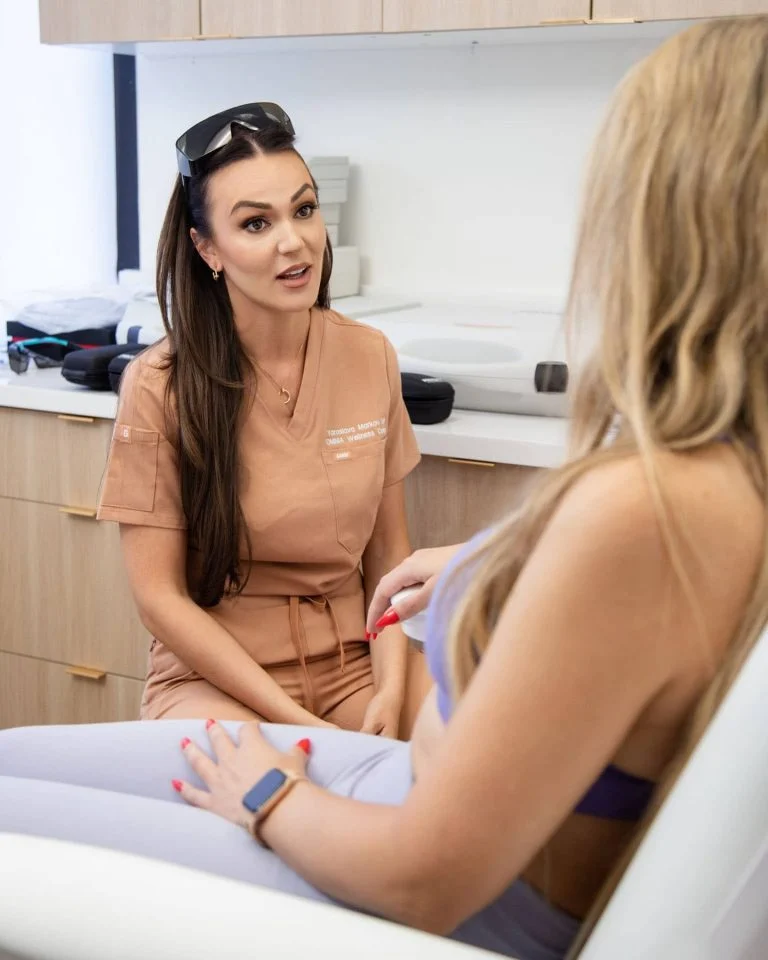
Fotona laser treatments sit in an interesting part of aesthetic medicine. They are not obscure, and they are not exactly mainstream in the way Botox or standard microneedling is. Yet in many well-run clinics, Fotona has become a reliable workhorse for skin tightening, texture refinement, acne scars, vascular concerns, and certain gynecologic and dental applications. The reason is simple. Fotona is not one single treatment in the way people often assume. It is a laser platform with different wavelengths and protocols, which means the experience and results can vary quite a bit depending on what problem is being treated, who is operating the machine, and how realistic the patient is about outcome.
That is where the question gets practical. Are Fotona Laser Treatments worth it? Sometimes yes, very much so. Sometimes they are expensive, underwhelming, or simply the wrong tool for the job. The answer usually depends less on marketing claims and more on patient selection, treatment settings, and the skill of the clinician.
If you are considering it, you need a grounded view of what Fotona does well, where it falls short, and what tends to happen in real clinics after the Instagram photos and sales language are stripped away.
What Fotona actually is
Fotona is a medical laser brand known for platforms that commonly use Nd:YAG and Er:YAG wavelengths. That matters because each wavelength behaves differently in tissue. One penetrates more deeply and is often used for vascular issues, tightening, and deeper heating. The other is more surface-oriented and can be used for resurfacing, polishing, and controlled ablation.
In practice, clinics may offer branded protocols such as SmoothEye, NightLase, LipLase, 4D facial rejuvenation, acne scar treatments, or vaginal rejuvenation procedures. Patients often hear these trade names first, then later realize they all sit under the larger Fotona umbrella.
That flexibility is one of Fotona’s biggest strengths. It lets an experienced provider layer treatments and tailor depth, heat, and recovery time. It is also one of the reasons results are inconsistent across clinics. A flexible tool in skilled hands can be excellent. The same tool used conservatively, aggressively, or without a clear plan can disappoint.
Why people consider Fotona in the first place
Most patients looking into Fotona are trying to solve one of a few common problems. They want firmer skin without surgery. They want smoother texture and less visible acne scarring. They want brighter tone with less downtime than a deep ablative resurfacing treatment. Or they want an option that feels more substantial than a facial but less disruptive than surgery.
That middle ground is exactly where Fotona often shines.
I have seen patients who were not ready for a facelift get a meaningful improvement in jawline softness and under-eye crepiness from a carefully spaced series of treatments. I have also seen patients expecting a surgical-level lift walk away frustrated, even when the treatment technically went well. That gap between what lasers can do and what people hope they will do is where most disappointment begins.
The strongest arguments in favor of Fotona laser treatments
Fotona has earned a good reputation for a reason. When the treatment plan is right, the platform can be versatile, effective, and easier to recover from than older aggressive resurfacing procedures.
One major advantage is customization. A provider can use different modes for superficial texture, deeper collagen stimulation, and targeted concerns in the same session or over a treatment series. That matters because aging and skin quality are never one-dimensional. A person with enlarged pores usually also has uneven tone. A person with early laxity may also have crepey lower lids or fine lip lines. Being able to address several layers of the issue is helpful.
Another advantage is the balance between results and downtime. Deep fully ablative resurfacing can produce dramatic improvements, but it also involves notable recovery and more risk. Lighter energy-based treatments can be safer and easier, but they may not do enough. Fotona often lands in the middle. With the right settings, it can create visible change without knocking someone out of work for two weeks.
There is also a cumulative effect that tends to suit people who prefer gradual, natural-looking improvement. This is not always satisfying to the patient who wants one dramatic before-and-after photo, but it is often very appealing to the patient who wants colleagues to think they look rested, not treated.
Fotona can also be a good option for areas that are notoriously difficult to treat. The periocular https://www.google.com/maps?cid=15747598012322768060 area, upper lip, and certain textural concerns respond well in many patients when approached carefully. Some protocols are even designed to work intraorally, heating tissue from inside the mouth to stimulate tightening along the lower face. It sounds unusual the first time people hear it, but for selected patients it can be a smart workaround for visible external recovery.
Where Fotona tends to disappoint
The marketing around lasers often makes them sound universally useful. They are not. Fotona has limitations, and they matter.
The first issue is that “tightening” can mean different things. Mild to moderate skin laxity may improve. Heavy jowls, substantial neck laxity, and significant lower-face descent usually will not be fixed in a truly satisfying way by laser alone. Some people spend thousands trying to laser their way out of a surgical problem. That rarely ends well.
The second issue is variability. Results depend on wavelength, protocol, treatment depth, number of sessions, and the clinic’s willingness to treat with enough intensity to make a difference while staying safe. Two patients can say they had Fotona and have had entirely different procedures. One may have had meaningful collagen stimulation over three sessions. Another may have had a very mild lunchtime treatment with modest benefit.
The third issue is cost creep. Clinics often quote a single treatment price, but meaningful improvement frequently requires a series. Maintenance may also be recommended once or twice a year. On paper, a session may seem manageable. Over twelve months, the total can approach the cost of another treatment category altogether.
The fourth issue is discomfort. Some Fotona treatments are quite tolerable, especially lighter non-ablative sessions. Others feel hot, sharp, or both. The discomfort is usually brief and manageable, but patients expecting a spa-like experience may be surprised.
The fifth issue is that not every skin type or skin condition is equally suited to every protocol. Darker skin tones, melasma-prone skin, recent tanning, active acne flares, rosacea, and certain medications all affect safety and planning. A cautious provider can often work around these factors, but not always.
The pros and cons in plain terms
Here is the shortest honest version of the trade-off.
- Pros: versatile treatment options, real collagen stimulation, less downtime than more aggressive resurfacing, useful for texture and mild laxity, adaptable to several facial concerns
- Cons: results can be subtle, a series is often needed, pricing adds up fast, outcomes vary by operator, not a substitute for surgery when laxity is advanced
That summary sounds tidy, but actual decision-making is less tidy. The same point can be either a strength or a weakness depending on the patient. Gradual results are a plus for one person and a letdown for another. Low downtime is appealing until someone realizes that lower downtime often means less dramatic change per session.
What results look like in real life
A good Fotona outcome usually looks natural. Skin may look a bit tighter, pores slightly smaller, fine lines softened, and the overall surface more polished. Makeup may sit better. Under-eye skin may look less crinkled. The face may appear fresher in photos even if friends cannot name exactly why.
That is the best-case everyday result profile.
What it usually does not look like is a radical transformation after one treatment. Acne scarring may soften, but deep tethered scars can persist. Smile lines may improve, but not vanish. Loose neck skin may look better, but still be obviously present.
Patients who are happiest with Fotona tend to appreciate incremental gains. They also tend to understand that collagen remodeling takes time. Improvements can continue over weeks to months rather than appearing instantly, especially in protocols focused on tightening rather than superficial resurfacing.
One detail worth understanding is the difference between immediate and delayed effects. Some patients leave a session looking slightly tighter because of tissue contraction and mild swelling. That is not the final result. The more meaningful changes, if they happen, tend to come later as collagen remodeling unfolds.
Downtime, aftercare, and the part clinics sometimes gloss over
Downtime varies dramatically with the specific Fotona treatment. Some sessions cause only pinkness for a day or two. Others leave skin bronzed, dry, rough, or swollen for several days. More intensive resurfacing protocols can produce a sandpapery texture and visible redness that makes social recovery a factor.
Even when clinics describe a treatment as no downtime, that phrase should be treated with caution. “No downtime” often means medically safe to resume normal activity, not camera-ready by dinner.
Aftercare usually involves gentle cleansing, strict sun avoidance, a bland moisturizer, and temporary pauses on active skincare ingredients such as retinoids or exfoliating acids. Patients who are disciplined with aftercare usually recover better and reduce the risk of post-inflammatory pigmentation or prolonged irritation.
The sun issue is not negotiable. If someone has a beach holiday scheduled the next week or cannot commit to sun protection, it is often smarter to postpone treatment.
Pain, risks, and the difference between normal reaction and true complication
Most Fotona treatments are tolerated without major trouble, but comfort level ranges from warm and prickly to distinctly unpleasant. Topical numbing helps with some protocols more than others. Cooling, good technique, and honest communication during the procedure also make a difference.
Common short-term effects include redness, swelling, warmth, and temporary sensitivity. With resurfacing, peeling or roughness can follow. These are expected and usually self-limited.
True complications are less common but important to understand. Burns, prolonged redness, pigmentation changes, reactivation of cold sores, textural irregularities, and scarring are possible with laser treatments in general. Risk increases when the operator misjudges settings, treats unsuitable skin, or when the patient ignores aftercare.
One of the clearest patterns in cosmetic medicine is this: the device matters, but the operator matters more. A mediocre device in skilled hands often beats a premium device in careless hands.
Who tends to get the most value from Fotona
The people most likely to feel that Fotona Laser Treatments were worth the money usually fit a certain profile. They have early to moderate signs of aging rather than severe sagging. They care about skin quality as much as lift. They can commit to a series rather than expecting a single miracle session. They want visible improvement but still natural movement and expression.
Patients with acne scars can also do well, especially if the scars are mixed but not dominated by severe deep tethering. Likewise, patients with fine lines around the eyes and mouth often see worthwhile improvement when treated by someone who works in these areas frequently.
Those who tend to regret it are often the ones trying to treat the wrong problem. If volume loss is the main issue, fillers or biostimulatory injectables may be more appropriate. If muscle movement is driving wrinkles, neuromodulators may do more. If there is substantial skin excess, surgery may be the honest answer.
Situations where I would be cautious
Not everyone is a straightforward candidate. A cautious consultation should slow down when any of these factors are present.
- darker skin tones with a history of pigmentation issues
- melasma or skin that becomes inflamed easily
- recent isotretinoin use, depending on timing and protocol
- active infection, open lesions, or recent significant sun exposure
- unrealistic expectations about one-session transformation
None of these automatically rule out treatment, but they raise the importance of individualized planning. Sometimes the safest choice is pretreatment skin conditioning, a test spot, or a different treatment entirely.
Cost, and whether the math makes sense
Pricing for Fotona varies widely by market, provider, and treatment complexity. In many clinics, a single session may cost a few hundred to well over a thousand dollars. A full rejuvenation series can land in the low thousands or more. If the treatment area is small, such as around the eyes, the entry price may be lower. If multiple protocols are combined in one visit, it rises quickly.
This is where “worth it” becomes personal. For some patients, paying for three or four sessions that noticeably improve texture, mild laxity, and fine lines is completely reasonable, especially if they are trying to delay more invasive procedures. For others, that same money would be better spent on surgery, resurfacing with a different device, a targeted scar treatment plan, or a combination approach using injectables and skincare.
The practical question is not whether Fotona is cheap or expensive. It is whether it is the most efficient tool for your main complaint.
A patient bothered mostly by etched upper lip lines may get very good value. A patient bothered by heavy neck bands and significant skin redundancy probably will not.
How Fotona compares with alternatives
Comparisons are where good consultations earn their keep. Fotona competes, loosely, with RF microneedling, fractional CO2, non-ablative fractional lasers, ultrasound tightening, and in some cases injectables or surgery.
Compared with RF microneedling, Fotona may feel less mechanically aggressive and can be excellent for certain textural and tightening goals, though RF microneedling can have advantages for scar patterns and deeper remodeling in some patients. Compared with fractional CO2, Fotona can offer less downtime and lower risk in some protocols, though fully ablative treatments may produce more dramatic resurfacing when someone accepts the recovery. Compared with ultrasound-based tightening, Fotona often provides better skin surface benefits because it can address both texture and collagen stimulation.
There is no universally superior device category. Good practitioners usually think in terms of matching energy to problem, not defending one machine as the best at everything.
Questions worth asking before you book
A consultation should not feel like a sales script. If it does, keep looking. These are the kinds of questions that help reveal whether a clinic understands what it is offering.
- Which Fotona protocol are you recommending for my concern, and why this one instead of another treatment?
- How many sessions do patients like me usually need before they notice a meaningful change?
- What kind of downtime should I realistically expect, including redness, swelling, and when I can wear makeup?
- Do you have before-and-after photos of patients with my skin type and similar severity?
- What would you recommend if this were your own face and budget?
That last question often cuts through the noise. A thoughtful clinician may still recommend Fotona, but they are more likely to explain trade-offs honestly.
The operator is half the treatment
It is difficult to overstate this. Experienced providers tend to know when to stack modalities, when to stay conservative, and when not to treat. They also recognize subtle cues, such as skin that looks reactive, tissue that may swell significantly, or a patient who is expecting an impossible result.
A skilled operator does not just fire a laser. They plan around anatomy, skin history, tolerance, social downtime, and timing. They understand the difference between making skin look a little better and making a patient feel that the treatment justified the expense.
If you are comparing clinics, look beyond the machine name. Ask how often they perform your specific protocol. Ask who actually does the procedure. Ask how they handle complications. Brand recognition should never replace provider judgment.
So, are Fotona Laser Treatments worth it?
For the right patient, yes. Fotona Laser Treatments can absolutely be worth it when the goal is moderate rejuvenation, texture improvement, scar softening, or subtle tightening with manageable downtime. The results are often elegant rather than dramatic, and that is exactly why many patients like them.
For the wrong patient, no. They are not worth it when surgery is clearly the more appropriate solution, when the main issue is not one that laser treats well, or when the budget only allows a single session but the problem really needs a series.
The fairest way to look at Fotona is as a sophisticated tool, not a magic category. It rewards realistic expectations, careful provider selection, and a treatment plan built around your actual skin rather than a generic package. If that framework is in place, Fotona can be one of the more useful options in modern aesthetic practice. If it is not, it can become an expensive lesson in how much outcomes depend on judgment.
OMNIA Wellness Center
Address: 16430 Ventura Blvd Ste 207, Encino, CA 91436
Phone number: +18183868511
FAQ About Fotona Laser Treatments
What is a Fotona laser good for?
A Fotona Laser system is a versatile, dual-wavelength medical laser used primarily for non-surgical skin tightening, anti-aging rejuvenation, and dermatological treatments.
How much does the Fotona laser cost?
The cost of a Fotona laser depends heavily on whether you are looking to purchase a laser machine for a medical practice or are a patient seeking a laser treatment at a medspa.
Is a Fotona laser worth it?
A Fotona laser treatment is generally worth it if you want non-surgical skin tightening, improved texture, and collagen stimulation with very little downtime.